

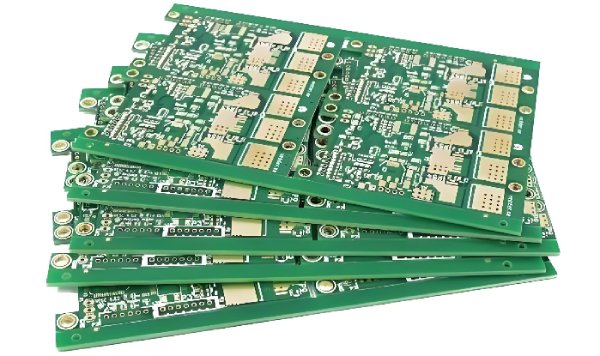
When I began building electronics, off-the-shelf boards didn’t fit my needs. Custom PCBs taught me to balance design, materials, and cost while solving real problems. In this essay, I’ll share my key lessons and experiences with creating my own boards.
- Part 1. What is a custom PCB?
- Part 2. How much does a custom PCB cost?
- Part 3. How long does it take to manufacture a custom PCB?
- Part 4. What files are required to order a custom PCB?
- Part 5. What materials are used in custom PCB fabrication?
- Part 6. What is the minimum order quantity for custom PCBs?
- Part 7. What is the difference between prototype and production custom PCBs?
- Part 8. Can I order custom PCB assembly together with fabrication?
- Part 9. How do I choose the right PCB manufacturer?
- Part 10. What are common mistakes in custom PCB design?
- Part 11. What is the maximum number of layers for a custom PCB?
- Part 12. Can custom PCBs be made for high-frequency applications?
- Part 13. Are custom PCBs suitable for small businesses or startups?
- Part 14. What surface finishes are available for custom PCBs?
- Part 15. Can custom PCBs be environmentally friendly?
Part 1. What is a custom PCB?
A custom PCB (Printed Circuit Board) is a board specifically designed to meet unique electrical, mechanical, and functional requirements of a product. Unlike standard PCBs, it is tailored in terms of size, layer count, materials, trace width, and component layout. Custom PCBs are widely used in consumer electronics, industrial equipment, medical devices, and automotive applications where off-the-shelf boards cannot meet performance or form-factor needs.
Part 2. How much does a custom PCB cost?
The cost of a custom PCB depends on factors such as board size, number of layers, material type, copper thickness, surface finish, and order quantity. Simple 2-layer boards can be relatively inexpensive, while complex multilayer or HDI boards cost significantly more. Engineering fees, prototyping, and testing may also add to the total cost.
Part 3. How long does it take to manufacture a custom PCB?
Custom PCB manufacturing time typically ranges from 3 to 10 working days. Simple designs with standard materials can be produced faster, while complex multilayer boards or special materials require more time. Prototyping is usually quicker than mass production, and expedited services are available at higher cost.
Part 4. What files are required to order a custom PCB?
To order a custom PCB, manufacturers usually require Gerber files, a drill file, and a PCB specification sheet. Additional files such as a BOM, pick-and-place file, and assembly drawings are needed if PCB assembly is included. Clear and accurate files help avoid errors and delays.
Part 5. What materials are used in custom PCB fabrication?
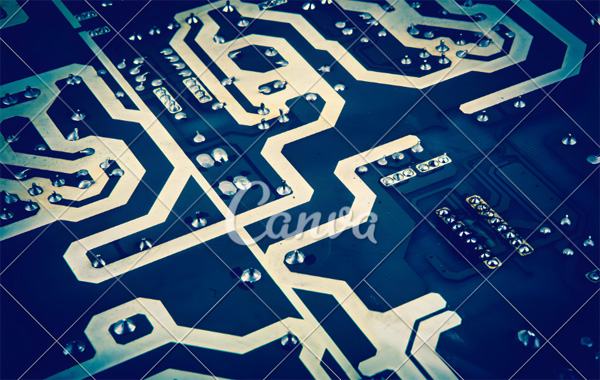
Common PCB materials include FR-4 for general applications, aluminum for heat dissipation, and flexible polyimide for flex PCBs. High-frequency boards may use materials like Rogers or PTFE. Material choice affects performance, durability, and cost, especially in high-speed or high-temperature applications.
Part 6. What is the minimum order quantity for custom PCBs?
Many PCB manufacturers offer low or even no minimum order quantity, especially for prototypes. Small batches are common for testing and development, while mass production orders usually have higher minimums to reduce unit cost. MOQ policies vary by manufacturer and board complexity.
Part 7. What is the difference between prototype and production custom PCBs?
Prototype PCBs are made in small quantities to test design functionality and performance. Production PCBs are manufactured in large volumes with optimized processes for consistency and cost efficiency. Materials and tolerances are usually the same, but production focuses more on yield and reliability.
Part 8. Can I order custom PCB assembly together with fabrication?
Yes, many manufacturers offer turnkey PCB services, including fabrication and assembly. This means components are sourced, soldered, and tested by the same supplier. It reduces coordination effort, shortens lead time, and minimizes compatibility issues between the board and components.
Part 9. How do I choose the right PCB manufacturer?
When choosing a PCB manufacturer, consider factors such as manufacturing capability, quality certifications, lead time, pricing, and communication. Experience with similar board types, reliable testing processes, and responsive technical support are especially important for custom PCB projects.
Part 10. What are common mistakes in custom PCB design?
Common mistakes include incorrect footprints, insufficient trace width, poor grounding, and ignoring manufacturability rules. Incomplete files or unclear specifications can also cause delays. Design for Manufacturability (DFM) checks help identify and fix issues before production.
Part 11. What is the maximum number of layers for a custom PCB?
Custom PCBs can have anywhere from 1 to over 40 layers, depending on design and manufacturer capability. Higher layer counts are used in complex and high-density applications.
Part 12. Can custom PCBs be made for high-frequency applications?
Yes, custom PCBs can be designed for high-frequency signals using special materials, controlled impedance, and precise trace design to reduce signal loss and interference.
Part 13. Are custom PCBs suitable for small businesses or startups?
Yes, many manufacturers support low-volume orders and prototypes, making custom PCBs accessible for startups and small businesses developing new products.
Part 14. What surface finishes are available for custom PCBs?
Common surface finishes include HASL, ENIG, OSP, and immersion silver. The choice affects solderability, durability, and cost.
Part 15. Can custom PCBs be environmentally friendly?
Yes, eco-friendly options include lead-free finishes, halogen-free materials, and processes that comply with environmental regulations such as RoHS.
 English
  Spanish